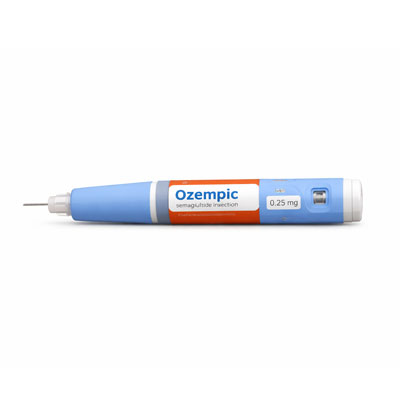
Weight loss does not always involve just eating less and doing more exercise. A lot of people experience chronic hunger, cravings for foods that are unhealthy, a slower than normal metabolic rate and weight gain again after numerous attempts at losing it. Medical weight loss injections can help to regulate an individual’s desire to eat, promote healthy eating behaviors and increase metabolic health. Popular medical weight loss injection options today include Semaglutide, Tirzepatide and Liraglutide used to treat adults who live with obesity, overweight, type 2 diabetes, insulin resistance or other weight related issues. At Vow Clinic Dubai, weight management programs combine medical supervision, nutrition guidance, physical activity recommendations and ongoing monitoring to support safe and effective results.
What Are Weight Loss Injections?
Weight loss injections are prescription injectable medications that can be given to people who want to lose some weight. They do this by affecting how your body works naturally when you are hungry, which affects how much you eat. Since most diets require a lot of self control in terms of what and how much you eat and since most people struggle with controlling their appetites, the shots provide an opportunity for most people to stick to a diet without having to struggle so much.
Most of today’s weight loss shots fall into two classes of drugs: GLP-1 Receptor Agonist and combined GIP and GLP-1 receptor agonists. The purpose of each shot is to help regulate hunger, decrease caloric consumption, assist with lowering blood sugars and increase healthy weight loss. Many doctors prescribe the shots to obese adults as well as overweight adults with type 2 diabetes, hypertension or hyperinsulinemia.
All shots need to be administered in a doctor’s office therefore, before the first dose, a physician evaluates the patient based on several criteria including BMI, previous medical conditions, current health status and weight loss goals. When a patient is started on a medication regimen for weight loss, the physician also wants to see them on a routine basis. This allows the physician to check on their progress, make any needed adjustments to the medication or the dosage and treat any adverse reactions to the medication.
Although, the shots may seem like a quick fix, they function best in combination with other elements of a total medical weight loss plan that include a balanced diet, moderate exercise and long lasting changes to one’s lifestyle. A person who loses weight through this type of program has the greatest likelihood of achieving significant weight loss improvements to their overall health.
How Do Weight Loss Injections Work?
Weight loss injections assist manage hunger hormones, manage hunger and work out healthier eating routines. They are designed to interact with the body’s metabolic pathways, helping to lower calorie consumption and maintain healthy weight loss.
Appetite Suppression
They can decrease appetite, make it more difficult for people to eat as much and help them feel fuller longer.
Slower Gastric Emptying
Weight loss injections work by slowing down food leaving the stomach and making you feel full for longer after your meals, which means you may not eat as often between meals.
Blood Sugar Regulation
They also help to stabilize blood sugar levels by enhancing insulin sensitivity and minimizing blood sugar spikes.
Reduced Food Cravings
Patients often find their cravings for sugary, high calorie foods are reduced and a balanced diet is easier to maintain.
Tirzepatide works on both GIP receptors and GLP-1 receptors while semaglutide is a GLP-1 receptor agonist. Promote effective weight reduction through calorie reduction, better control over hunger, and effective weight loss when used with healthy lifestyle changes – both medications can be used for this purpose.
Types of Weight Loss Injections
There are several prescription weight loss injections on the market today, each acting in a slightly different way to help control your appetite, reduce calories and to assist in maintaining weight over time. The best choice is based on your health profile, the treatment goal and an assessment of your medical condition.
Semaglutide Injections
Semaglutide is a GLP-1 receptor agonist that helps to decrease hunger and promote a sense of satiety. Depending on indications and approvals, such as those of Wegovy and some of the Ozempic treatments.
Tirzepatide Injections
Tirzepatide acts on both GIP and GLP-1 receptors for appetite control and metabolic health. There are options like Mounjaro, Zepbound or Tirzee depending on availability on the market.
Liraglutide Injections
Liraglutide is a medication (GLP-1 receptor agonist) which is used for the daily treatment of appetite control to achieve slow weight loss. One of the most common is the Saxenda treatment.
Who Is a Good Candidate?
Weight loss injections might be a good option for adults who have not lost an adequate amount of weight with diet and exercise. These treatments are determined by a medical evaluation to consider your goals, health and weight.
Adults With Obesity
Medically supervised weight loss injections can be a component of a weight management program for people who suffer from obesity.
Overweight Adults With Weight-Related Conditions
Those adults who are overweight and have a condition such as high blood pressure, high cholesterol or insulin resistance may be good candidates.
Patients With Type 2 Diabetes
There are some weight loss drugs that have been approved for both weight loss and blood sugar control in Type 2 Diabetes.
Patients Who Struggle With Appetite Control
Those who have a constant hunger or craving or who can’t control volume may benefit from appetite regulating meds.
While these medications may be used safely under the care and guidance of a medical professional, they are not recommended for cosmetic purposes by the FDA in people who are not overweight or obese.
Who Should Avoid Weight Loss Injections?
Weight loss injections are not for all people.
Treatment may not be recommended if there are cases of the following:
- Pregnancy
- Breastfeeding
- Certain endocrine disorders
- History of pancreatitis
- Severe gastrointestinal disease
- Medication allergy due to the ingredients in the medication
- People who don’t have a valid medical reason
An extensive consultation will be carried out to decide whether treatment is necessary.
Weight Loss Injection Treatment Process
The treatment process starts with a thorough medical assessment and includes ongoing monitoring to guarantee safe, effective and sustained weight loss.
Initial Consultation
A specialist explains your weight loss goals, your lifestyle and how healthy you are and if you may be suitable for treatment. This consultation enables a tailored treatment plan to be devised.
BMI and Health Assessment
Your BMI, weight, body measurements and metabolic health is assessed and you are given an understanding of your current situation. The results of these tests guide treatment recommendations.
Medical History Review
The doctor checks your health history, medications and other health issues. This step is useful to determine potential risks and to make treatment safe.
Dose Selection
Typically treatment begins with a low dose and builds up as time goes on. Individual dose plans maximize the benefits and minimize side effects.
Weekly or Daily Injection Schedule
Injections can be given either once a week or once a day depending on the medication prescribed. The treatment schedule is individually customized according to the treatment and the needs of the patient.
Follow-Up Monitoring
Regular follow up appointments help monitor your progress, weight loss and the results of your therapy. Continuous monitoring will enable adjustments for better results and safety.
Expected Weight Loss Results
The weight loss achieved is individualized and depends on the specific medication used, dosage, lifestyle and compliance with the medication regime. That’s usually best done along with maintaining a healthy diet and regular exercise.
First Month
Within the first few weeks, many patients notice they have more control over their portions and eat less. Changes in weight may start to be noticed during this time.
Three Months
The more one’s weight begins to diminish the more the healthy eating patterns become easier. A lot of people also find that they have more control over cravings and appetite, too.
Six Months
The regular administration can result in substantial weight loss and enhanced metabolic health. Patients tend to feel more confident and have more energy.
Long-Term Maintenance
Sustained, healthy lifestyle modifications and medical monitoring is critical to long-term success. Weight maintenance programs are important to keep weight loss for longer and to lower the chance of gaining back weight.
Weight Loss Injection Results Timeline
| Timeline | What May Happen |
| Weeks 1 – 4 | Appetite reduction begins |
| Months 2 – 3 | Early weight changes become visible |
| Months 3 – 6 | More consistent fat loss |
| Months 6+ | Long term management and maintenance |
Weight Loss Injections vs Diet Alone
Diet remains essential but medication may provide additional support for suitable candidates.
Weight loss injections can:
- Improve appetite regulation
- Help maintain a calorie deficit
- Reduce cravings
- Support adherence to healthy eating plans
However, injections do not replace healthy habits.
Successful outcomes still require:
- Balanced nutrition
- Regular exercise
- Lifestyle modification
- Long term commitment
Semaglutide vs Tirzepatide
| Feature | Semaglutide | Tirzepatide |
| Mechanism | GLP-1 receptor agonist | GIP + GLP-1 receptor agonist |
| Dosing | Weekly | Weekly |
| Appetite Control | Yes | Yes |
| Metabolic Regulation | Yes | Yes |
| Weight Management Use | Yes | Yes |
Both medications can be effective. The most suitable option depends on medical history, goals and professional assessment.
Mounjaro vs Ozempic vs Wegovy
Mounjaro
- Active ingredient: Tirzepatide
- Dual GIP and GLP-1 action
- Used in diabetes and weight management settings depending on local approval
Ozempic
- Active ingredient: Semaglutide
- Primarily developed for Type 2 Diabetes
- Weight reduction may occur during treatment
Wegovy
- Active ingredient: Semaglutide
- Specifically developed for chronic weight management
The best choice depends on medical eligibility, availability, treatment goals and physician recommendations.
Weight Loss Injections vs Bariatric Surgery
| Weight Loss Injections | Bariatric Surgery |
| Non surgical | Surgical |
| Ongoing medication | One major procedure |
| Requires monitoring | Requires recovery |
| Less invasive | More invasive |
| Suitable for selected patients | Often considered for severe obesity |
Side Effects of Weight Loss Injections
Common side effects may include:
- Nausea
- Vomiting
- Diarrhea
- Constipation
- Reduced appetite
- Fatigue
- Injection site reactions
Side effects will improve as the body gets used to the treatment.
Safety and Medical Supervision
- Prescription-Only Use
Treatment should be provided by licensed health care providers only.
- Avoid Counterfeit Injections
Products that are not regulated may have significant health risks.
- Dose Escalation
Side effects are reduced by gradually increasing the dose.
- Side-Effect Monitoring
Safe treatment progression is ensured through regular assessments.
- Nutrition and protein intake
In spite of a decreased appetite, patients should eat enough.
- Exercise Guidance
Physical activity is an important part of long-term success.
Healthcare authorities warn against using GLP-1 drugs solely for cosmetic weight loss and for specific health conditions only.
Weight Loss Injection Cost
The cost of weight loss injections in Dubai typically ranges from AED 800 to AED 3,500 per month depending on the medication prescribed, dosage strength, treatment duration and level of medical supervision required. Factors such as follow up consultations, progress monitoring and personalized treatment plans can also influence the overall price. For more specific pricing information, patients can explore dedicated pages for Mounjaro Injection Cost, Wegovy Injection Cost, Ozempic Injection Cost, Tirzepatide Injection Cost and Semaglutide Injection Cost.
Why Choose a Medical Weight Loss Clinic?
At a medical weight loss clinic, the doctor leads the way, ensuring the process is safe and effective for long term results. Specialists develop personalized treatment plans that take into consideration your health status, weight reduction objectives, and medical history while making sure secure dosage monitoring throughout the program. Patients are also professionally supported with diet to ensure that they can adopt healthy eating habits that will last them a lifetime and given guidance to manage any side effects of treatment. There is ongoing follow up and long term maintenance plans that help patients maintain their results and develop healthy habits that will result in long term weight management.
FAQs
What are weight loss injections?
Weight loss injections are prescription medications that are used to help control appetite, cut down on calorie consumption and aid in weight maintenance. They complement the healthy lifestyle changes for better weight loss results.
Are weight loss injections safe?
These drugs, when used properly and under the supervision of trained health care providers, are safe to take. Follow up visits help ensure that the right amount of medication is taken and that treatment is safe.
Which weight loss injection is best?
The best type of injection will vary based on your health, weight loss objectives and medical history. A professional evaluation can be used to determine the most suitable one for your needs.
Is semaglutide better than tirzepatide?
Both are effective for weight loss, though they act in different ways. Tirzepatide activates both GIP and GLP-1 receptors, whereas semaglutide activates GLP-1 receptors.
How much weight can I lose?
With different types of medication, different people will experience different weight loss levels depending on diet, exercise and health levels. Adherence to the treatment plan is a critical factor in treatment outcomes.
How long do I need to use injections?
Treatment times vary according to individual, and are based on the weight loss objectives and results of the treatment. Your doctor will suggest a recommended course of treatment.
What happens after stopping weight loss injections?
After stopping treatment, some people may regain weight if they don’t keep a healthy lifestyle. Lasting results come with long term lifestyle changes.
Do weight loss injections work without diet?
The medicines help to control the appetite but they are most effective when used with a healthy diet and exercise. There is still a need for lifestyle changes to be successful.
Can non-diabetic patients use them?
Yes! Some weight loss injections have been approved for use in qualified adults who are overweight or obese but not for people with diabetes. Appropriateness is dependent upon medical evaluation.
What are the side effects?
Side effects can include nausea, vomiting, constipation, diarrhea, fatigue and loss of appetite. Side effects are usually temporary and will get better as your body adjusts.
How often are weight loss injections taken?
The dose of the injection varies from one drug to another, thus the injection schedule. There are some treatments that are given once a week and others that are taken every day.
How much do weight loss injections cost?
Cost depends on the type of drug prescribed, dosage, time of treatment and medical supervision. The most accurate pricing estimate is achieved with a consultation.