A youthful face reflects confidence, but aging gradually changes your appearance. Over time, collagen and elastin levels decline, facial tissues lose support, and gravity causes the skin to sag. Facelift Surgery in Dubai offers a comprehensive solution for restoring youthful facial contours. Also known as rhytidectomy this advanced facial rejuvenation procedure lifts underlying tissues, removes excess skin, and repositions facial structures to create smoother, firmer and more natural looking results. Modern facelift techniques focus on enhancing your unique features rather than changing them allowing you to look refreshed without appearing overdone.
What Is Facelift Surgery?
Facelift surgery medically known as rhytidectomy aims to repair the visible aging of the face. It works on lifting and repositioning deeper tissues of the face and eliminating excess skin to create facial definition and youthful contours.
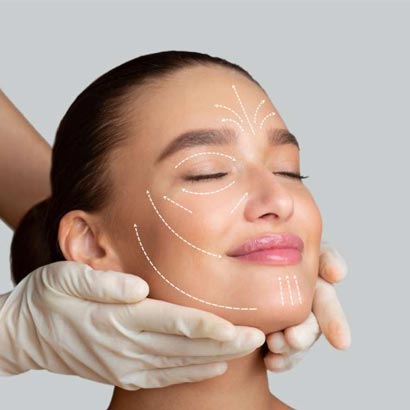
A facelift is not a topical treatment – it works on the layers of skin underneath. The procedure tightens the support system in the area under the skin and precisely drapes the skin’s contour in the cheeks, jawline and neck creating a smoother contour without the artificial or overly tight look.
What Is a Rhytidectomy?
Facelift surgery is known as rhytidectomy. The name is derived from the two Greek words that mean “wrinkle” and “excision,” and describe the surgery used to remove the facial wrinkles and sag.
In modern facelifts, there is more to it than just cutting away the excess skin. Advanced procedures reposition the SMAS layer (Superficial Musculoaponeurotic System), which supports the face’s structure. Unlike tightening the skin surface only, the surgeons are able to lift this underlying layer and thus create results that last longer and are more natural looking.
How Does a Facelift Work?
The facelift is a procedure that corrects deeper changes in the face that cause facial aging. As the process goes on, strategically planned incisions give the surgeon access to the underlying facial tissues.
The additional skin is gently shifted and cut and remaining skin is gently stretched without too much tension. This method helps to correct the contour of the face keeping natural facial movement and expression.
Why Does the Face Age?
Collagen Loss
Collagen gives strength and firmness to the skin. With age, the skin loses its collagen production and becomes thinner and weaker.
Elastin Breakdown
Elastin enables the skin to move and rebound back to its normal position. As a person gets older, the elastin fibers in the skin become damaged and skin loses its elasticity.
Facial Volume Loss
As the fat pads under the cheeks slowly diminish and move downward, the cheeks become hollow, the contours of the midface are flattened and the folds of the face deepen. This loss of volume helps lead to the appearance of an older face.
Gravity
Facial tissues are constantly pulled down by gravity in life. The weakening of supporting tissues causes the cheeks to fall, jowls to be more prominent and loose bands and skin in the neck.
Sun Damage
Chronic exposure to ultraviolet (UV) radiation can lead to degradation of collagen and loss of skin integrity. This process is called photoaging which can cause pigmentation, wrinkles, an uneven skin texture and early skin laxity.
Lifestyle Factors
Collagen production and skin quality are impacted by smoking, poor nutrition, dehydration, chronic stress, lack of sleep and frequent sun exposure. A healthy lifestyle helps to keep skin looking young for longer and also helps achieve and maintain facelift results.
What Signs of Aging Can a Facelift Treat?
Sagging Cheeks
Facial tissues as they drop, lose their youthful tone and plumpness. A facelift can raise these tissues creating a more even and smooth face contour.
Deep Nasolabial Folds
As we get older, the lines from the nose to the corners of the mouth deepen as the tissues drop and volumes diminish.
Marionette Lines
Marionette lines are lines that radiate from the corners of the mouth towards the lower jaw, typically giving the person a tired or sad look. Lifting facial tissues contributes to the reduction of the depths.
Jowls
Jowls occur when the skin and soft tissues of the side of the face start to droop. The facial lift surgery works by pulling the tissues up and tightens the jawline, giving it a restored definition.
Loose Neck Skin
There are also many that will also take care of the loose skin that may be found on the neck; this will enhance the transition between the face and neck. Together with platysma muscle tightening, they produce a smoother and younger look of the neck.
Jawline Definition Loss
Among the most prominent one is the flattening of a clear cut jawline that takes place with the passing of time. Facelift surgery tightens up wrinkled skin and eliminates excess skin, creating a more youthful and prominent face.
Who Is a Good Candidate for Facelift Surgery?
Moderate to Severe Skin Laxity
People who have loose skin around the face, jawline or neck are likely to have the best results with facelift surgery.
Jowls and Neck Sagging
Surgery that lifts both the face and neck can help patients who are uncomfortable with the appearance of a poorly defined jawline, facial bands or jowls.
Healthy Adults
Good candidates typically have a good overall health, no uncontrolled medical conditions and are able to undergo surgery and anesthesia without harm.
Patients with Realistic Expectations
A facelift does not reverse ageing or change the appearance of your face completely, but instead gives it a younger look. If a patient is knowledgeable about the pros and cons of surgery, they are more likely to be satisfied with the outcome.
Types of Facelift Surgery
Mini Facelift
This technique is frequently suggested for patients that are younger or for people who want to fix jowls that have just started to develop, prior to the face aging. A recovery is usually quicker than a full facelift since the procedure involves less tissue reposition.
SMAS Facelift
One of the most popular facelift techniques is SMAS facelift. This does not simply tighten the skin, but it will lift and re-position the deeper layer of connective tissue and facial muscles known as the Superficial Musculoaponeurotic System (SMAS).
Deep Plane Facelift
For even more dramatic facial aging, the Deep Plane Facelift is an advanced facelift technique. The surgeon will not only release the SMAS but also position it back down into the deeper tissues of the face. This method restores the natural alignment of the cheeks, midface, jawline and neck without undue tension to the skin.
Full Facelift
A Full Facelift is the solution for several problems of facial aging in a single treatment. Its goal is to rejuvenate the lower face, cheeks, jawline and neck and restore balance to the face as a whole.
SMAS Facelift vs Deep Plane Facelift
| SMAS Facelift | Deep Plane Facelift |
| Lifts and tightens the SMAS layer | Repositions deeper facial tissues beneath the SMAS layer as one unit |
| Ideal for patients with moderate facial aging | Better suited for moderate to advanced facial aging |
| Improves the cheeks, jawline and lower face | Provides comprehensive rejuvenation of the midface, cheeks, jawline and neck |
| Delivers natural looking and lasting results | Creates highly natural movement with a more comprehensive midface lift |
| Less extensive tissue release | Involves deeper tissue release for more advanced correction |
| Excellent option for patients with mild to moderate skin laxity | Preferred for significant skin laxity, deep folds and pronounced jowls |
Facelift Surgery Procedure
Consultation
The first step is a thorough evaluation. The surgeon discusses concerns, medical history, previous treatments, lifestyle and cosmetic goals. This appointment will help identify if facelift surgery is right for you.
Facial Analysis
A thorough facelift assessment considers the condition of your skin, facial balance, bone structure, fat distribution, muscle tone and the laxity of your skin. The surgeon will also inspect the cheeks, jawline, neck and midface to develop a unique surgical plan.
Incision Planning
Incisions vary, depending on the facelift procedure being used. Surgeons will usually try to place incisions around natural hair lines and contours of the ears to avoid prominent post surgical scarring.
By carefully planning the incisions, the deeper layers of the face can be accessed and yet the natural appearance of the face is preserved after surgery.
Tissue Repositioning
Once the incisions have been made, the deeper facial tissues are gently lifted and repositioned. This can be achieved by tightening the SMAS layer or deeper tissue repositioning, depending on the selected technique.
These are placed back in their natural position giving the face a youthful look and not placing additional stress on the skin, which ensures that the results are not only long-lasting but also natural looking.
Skin Redraping
After the deeper structures are anchored in place, the skin is gently draped over the re positioned facial structures. Bags of skin are eliminated without leaving the appearance of a stiff or large face.
Closure
The incisions are carefully closed by a fine suture or surgical staples. Sterile dressings can be used to keep the surgical site clean and to help it heal.
Can a Facelift Include a Neck Lift?
Yes! A facelift combined with a neck lift is a popular option for patients, as facial aging is more often than not not just facial. By addressing both the face and neck in a single treatment, these transitions are made smoother, and more harmonious.
The neck lift is all about tightening up the loose skin, smoothing out the neck bands, straightening the chin to the neck line and redefining the jawline.
As the surgery is performed, the surgeon has an opportunity to tighten the platysma muscle, which may become separated and weaker with age. This muscle repair improves the neck profile and helps the neck appear stronger and enhances facelift appearance.
Facelift Recovery Timeline
First 24 Hours
The first day after surgery focuses on rest and monitoring. Mild discomfort, tightness, swelling and bruising are expected and can usually be managed with prescribed medication.
First Week
During the first week, swelling and bruising typically reach their peak before gradually improving. You may also experience temporary numbness, mild tightness or a feeling of firmness around the face and neck.
Two Weeks
At the end of the second week, most of the swelling and bruising are gone.
One Month
A month after the surgery, facial contours will look smoother as swelling diminishes. Incisions start to mature, get less noticeable over time.
Three Months
Most healing of internal organs is completed. After a while facial tissues are in their new position,which yields smoother contours and harmony in the face.
Six Months
Most patients are satisfied with their final facelift appearance six months after surgery. The swelling has settled down to almost nothing, the scars are well developed and the tissues of the face have settled into their new home.
When Will I See Final Results?
| Timeline | Expected Changes |
| Week 1 | Noticeable swelling, bruising, and mild tightness are common |
| Month 1 | Facial contours appear smoother, and most swelling has significantly improved |
| Month 3 | The face looks more natural as tissues settle into their new position |
| Month 6 | Final results become fully visible with refined contours and mature scars |
Facelift Before and After Results
Improved Jawline
A facelift adds definition to the jawline, tightens drooping skin and minimizes jowls. The lower face seems more firm and sculpted and gives the face a sharper line.
Tighter Neck
For individuals who have a neck lift, facial surgery will also tighten the muscles under the skin and remove any excess. This will give a younger transition between the chin and neck and a better facial balance.
Lifted Cheeks
When the deeper tissues of the face are placed back in their correct position, the cheek contours are youthful and the midface is rejuvenated. Cheeks are naturally lifted, not pushed up.
Reduced Jowls
After facelift surgery, one of the most obvious changes is the decrease in jowls. By lifting the lower facia tissues, you get a cleaner jawline and will regain some facial definition.
More Youthful Appearance
Facelift surgery removes skin that causes wrinkles, tightens facial folds and restrengthens skin to create a more youthful appearance while preserving the natural movements and expression of the face.
How Long Does a Facelift Last?
Longevity
The longevity of most facelift procedures is 10 – 15 years and some patients experience continuing improvement beyond that time. The SMAS Facelift and Deep Plane Facelift are advanced techniques that often give more durable, lasting support as these lift the deeper facial layers along with the skin.
Aging After Surgery
As time goes on, your skin will keep producing less collagen and elastin and gravity will keep working on your facial tissues.
Maintenance
Maintaining healthy lifestyle habits is important in maintaining facelift results. To preserve the skin’s youthful look, you should avoid over exposure to the sun, maintain a stable weight, stick to a regular skincare regimen, and quit smoking.
Facelift vs Mini Facelift
| Facelift | Mini Facelift |
| Comprehensive facial rejuvenation | Corrects early signs of aging |
| Treats the cheeks, jawline and neck | Primarily targets the lower face |
| Suitable for moderate to severe skin laxity | Best for mild skin laxity |
| Longer lasting results | Shorter recovery time |
| Greater degree of lifting | More subtle improvement |
Facelift vs Non-Surgical Facelift
| Surgica Facelift | Non Surgical Facelift |
| Removes excess skin | Does not remove skin |
| Lifts facial tissues | Adds volume or tightens the skin temporarily |
| Corrects moderate to severe sagging | Best for mild aging |
| Long lasting results | Temporary improvement |
| Structural facial rejuvenation | Surface level enhancement |
Facelift vs Thread Lift
When comparing the two procedures, several differences become clear:
- A facelift provides a more significant and long-lasting lift.
- A thread lift offers subtle improvement with a shorter recovery period.
- Facelift surgery is ideal for moderate to advanced facial aging.
- Thread lifts are better suited to younger patients with early signs of skin laxity.
- Facelift results often last for many years, while thread lift results typically last around 12 to 18 months.
Facelift vs Dermal Fillers
| Facelift Surgery | Dermal Fillers |
| Lifts sagging facial tissues | Restores facial volume |
| Removes excess skin | Does not remove skin |
| Long lasting results | Temporary results |
| Corrects structural aging | Improves volume loss |
| Ideal for moderate to severe aging | Best for early facial aging |
Facelift vs Botox
A facelift may be the better choice if you have:
- Loose skin
- Jowls
- Neck sagging
- The jawline is lost
- Enlarged folds of skin in the face area due to loss of facial tissue
Botox is better suited for:
- Forehead wrinkles
- Frown lines
- Crow’s feet
- Preventing wrinkle progression
- Properly care for the face following surgery
Risks and Side Effects
Swelling
Swelling is common and will gradually fade in the first week. Elevating the head and adhering to the surgeon’s post surgery recommendations will help limit swelling faster.
Bruising
The most common area for bruising is around the cheeks, jawline and neck area of the body during the first week following surgery.
Temporary Numbness
Patients may have temporary numbness or skin feeling that is different around the surgical cuts. The nerves will heal over the next weeks or months and normal sensation should return.
Infection
Though rare, surgery may still be a risk for infection. Proper wound care, prescribed antibiotics as necessary and good hygiene minimize this risk.
Scarring
The incisions made for a facelift are carefully designed to be within the hairline and around the natural shape of the ears, which helps to ensure that the scars are as discreet as possible.
Facial nerve injury (rare)
Occasionally, swelling around facial nerves may cause temporary weakness of facial muscles. When performed by an experienced surgeon using advanced surgical techniques, facial nerve injury is rare and is permanent in only a very few cases.
Can a Facelift Be Combined With Other Procedures?
Neck Lift
A neck lift will pull the skin in the neck, plump up the platysma muscle and finish off any lack of definition around the jawline to complete the look of the facelift.
Eyelid Surgery (Blepharoplasty)
It removes excess skin and fat from the upper or lower eyelids making the eyes look brighter and younger.
Brow Lift
A brow lift can lift drooping eyebrows, soften lines in the forehead and give a refreshed upper facial look which will balance the rejuvenated lower facial look.
Facial Fat Transfer
Fat transfer is a technique that is able to add back volumes lost from the face with your very own fat. It works to improve the volume on the cheeks, temples and elsewhere that has been lost over time.
Chin Implant
A chin implant can enhance the definition of the chin and balance the face – particularly when there is an emphasis on the treatment to create a defined jawline.
J Plasma (Renuvion)
J Plasma is a combination of helium plasma and radio frequency energy that enhances tissue contraction and tightens skin. May be used in conjunction with facial lift surgery to provide added skin support in some patients.
Laser Skin Resurfacing
Laser skin resurfacing is used to improve skin texture, pigmentation and fine wrinkles complementing the lifting effect of facelift surgery to give comprehensive facial rejuvenation.
Facelift Surgery Cost in Dubai
The total cost of Facelift Surgery in Dubai is normally in the range of AED 30,000 – 75,000 depending on the technique of facelift surgery, the complexity of facelift surgery, the experience of the surgeon and whether it is performed in conjunction with other cosmetic procedures. In this consultation, your surgeon will evaluate your facial anatomy, discuss your aesthetic goals and create a plan just for you with an accurate estimate of your cost for treatment.
Why Choose Vow Clinic Dubai?
At Vow Clinic Dubai, our skill in facial rejuvenation is enhanced by the advanced techniques of facelift, resulting in natural results. Consultation to recovery, every treatment plan is designed to fit your face and your goals, with a personal approach. Our highly skilled staff also offers full aftercare to ensure that your recovery is as seamless as possible and that you have the best possible results.
FAQs
What is Face Lift Surgery?
It is a cosmetic surgery that involves lifting and repositioning the deeper tissues of the face, as well as removing excess skin from the face in order to reduce the appearance of aging and restoring youthful contours.
What is the difference between a facelift and a neck lift?
A facelift emphasizes the cheeks, jawline and lower face while a neck lift is just about loose skin on the neck, neck bands and lack of neck definition. Many patients have both performed to achieve a complete facial rejuvenation.
What is a SMAS facelift?
The Superficial Musculoaponeurotic System (SMAS) is the layer of support under the skin, which is lifted up during a SMAS facelift. This deeper structure offers more lasting skin support and a more natural appearance than just tightening the skin.
What is a deep plane facelift?
Deep Plane Facelift is an advanced technique that involves re-positioning deeper facial tissues to enhance the cheeks, midface, jawline and neck. It is especially effective for those who have moderate to severe facial aging.
Which facelift technique is best?
The best method will depend on the aging process, facial anatomy and skin quality. Your surgeon will make a recommendation after a thorough consultation and facial examination.
How long does facelift surgery last?
The surgery usually takes between 3 and 6 hours, and may be combined with other surgeries for a double or triple facelift.
How long does facelift surgery last?
The majority of facelift results are lasting and last for 10 – 15 years. The aging will occur naturally but patients can enjoy a younger appearance for years following surgery.
Is facelift surgery painful?
Individuals typically have minor to moderate pain for the first 1 – 2 days following surgery, which is well controlled with pain medication. As the procedure is done under anesthesia, you will not feel any pain during the procedure.
How long is recovery?
The vast majority of patients are able to return to their office jobs in 10 to 14 days. The swelling will keep increasing for weeks and the final results will begin to show in months.
Will I have visible scars?
When making the incisions (cuts) for facelift surgery, the surgeon pays attention to the location around the ears and in the hairline, so that the scars are as inconspicuous as possible. Normally they fade and are hard to see as healing takes place.
Can a facelift make me look natural?
Yes! The modern facelift techniques are based on re positioning of the deeper layers of the face, not excessive skin tightening. The aim is to get a more youthful and natural look with a freshened overall appearance.
Can a facelift be combined with eyelid surgery?
Yes! Patients often have a facelift procedure along with blepharoplasty (eyelid surgery) or a brow lift, neck lift or facial fat transfer to achieve facial rejuvenation.
Is facelift surgery better than fillers?
A facelift and dermal fillers will be used to solve different concerns. A facelift tightens up flabby skin and fillers plump up the skin. The patients with moderate to severe facial aging will benefit more from surgery.
Is facelift surgery better than thread lifts?
A facelift offers more lift and much more permanent than a thread lift. People who are somewhat younger and have mild skin laxity tend to be better candidates for thread lifts.
Am I too young for a facelift?
There is no specific age for facelift surgery. It is based on your skin condition, facial shape and level of aging, not chronological aging.
How much does facelift surgery cost in Dubai?
The price usually falls between AED 30,000 to AED 75,000 and is subject to the surgical technique being performed, the complexity of treatment and whether other procedures are incorporated in your personalised treatment plan.

Dr. Mihaela J. Svorcina
Aesthetic Medicine & Functional Medicine Practitioner