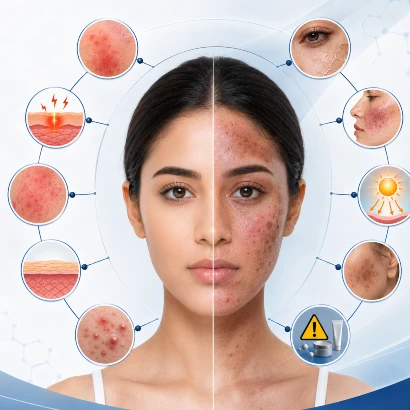
Skin whitening creams are widely used to reduce hyperpigmentation, fade dark spots or lighten overall skin tone. Some of these products contain regulated ingredients that dermatologists prescribe to treat conditions such as melasma or post inflammatory hyperpigmentation under careful medical supervision. However, unregulated or counterfeit creams may contain undeclared mercury, potent corticosteroids or excessive concentrations of active ingredients that can cause serious health problems. The side effects of skin whitening creams may affect both the skin and internal organs. Anyone who develops burning, swelling, skin thinning or unusual colour changes should stop using the product immediately and seek medical advice from a qualified dermatologist. The World Health Organization (WHO) considers mercury-containing skin lightening products hazardous and supports international efforts to eliminate their use because of the significant health risks they pose.
What Are Skin-Whitening Creams?
Skin whitening creams are topical products created to treat hyperpigmentation, lighten dark patches or create a more even skin tone by dealing with melanin, the pigment responsible for skin colour. Some of them are formulated for diagnosed skin disorders such as melasma or post inflammatory hyperpigmentation whereas others are marketed as cosmetic products.
They may be marketed as:
- Whitening creams
- Bleaching creams
- Fairness creams
- Brightening creams
- Dark-spot correctors
- Tone-evening creams
- Pigmentation treatments
How Do They Work?
The majority of skin lightening products act upon melanin, which is the pigment responsible for skin colour. Specialised cells in the skin, called melanocytes, produce melanin. Various ingredients work to remove pigmentation in the following ways:
- Reducing melanin production
- Blocking the enzyme tyrosinase
- Increasing skin cell turnover
- Removing pigmented top layer of cells
- Decreasing inflammation which causes pigmentation
Skin Brightening vs Skin Bleaching
Typically, skin brightening involves targeting hyperpigmentation to make skin look more uniform. It frequently serves to re-establish a natural skin tone, not to dramatically alter the skin colour.
Skin bleaching is typically used in more drastic forms to reduce melanin throughout the skin. Some bleaching products may contain more potent ingredients to obtain quicker effects.
Since manufacturers use these terms inconsistently, the product name alone tells you very little. The ingredient list provides much more reliable information about both safety and effectiveness.
Common Ingredients Found in Skin-Lightening Creams
Hydroquinone
Hydroquinone is a well known ingredient that has been used to treat pigmentation disorders. This helps to diminish melanin production by slowing down melanocyte activity and the function of tyrosinase which is beneficial for melasma and post inflammatory hyper pigmentation.
Hydroquinone is typically only prescribed for short durations, often in conjunction with close monitoring of the skin, by a dermatologist. However with long term or unsupervised use there is a risk of irritation, rebound pigmentation and/or exogenous ochronosis, a difficult to treat skin condition.
Mercury Compounds
There are illegal skin whitening creams that contain mercury (but do not mention on the label).
Mercury can be found as:
- Mercury
- Mercurous chloride
- Calomel
- Mercuric
- Mercurio
- Hg
Mercury can interfere with the production of pigments and also get absorbed through the skin and into the blood stream. Exposure has been associated with long term damage to the kidneys, nervous system and other organs.
Potent Corticosteroids
Some products contain effective topical steroids including:
- Clobetasol
- Betamethasone
- Fluocinonide
These may help to decrease inflammation and will temporarily lighten the skin by suppressing the pigment changes caused by inflammation. However with continued use, there can be skin atrophy, visible veins, stretch marks, acne caused by steroids and increased exposure or infection possibilities.
Retinoids and Acids
Many brightening products that are regulated contain the following ingredients:
- Tretinoin
- Glycolic acid
- Kojic acid
- Azelaic acid
- Salicylic acid
These ingredients work to improve pigmentation by increasing cell turning over or by decreasing pigment formation. When used appropriately, they can play an important role in treating uneven skin tone. But they can also lead to redness, peeling, dryness and sensitivity to the sun, meaning that it is important to use a sunscreen daily.
Common Short-Term Side Effects of Skin Whitening Creams
Burning and Stinging
Burning or stinging is one of the most common early reactions. This can happen due to any of the following:
- Active ingredients that are very high in concentration
- If using multiple exfoliating products, apply them in succession.
- The cream is suitable for use on broken or sensitive skin.
- A compromised skin barrier.
Some treatments may cause mild tingling; if it is severe, it is not normal and should be discontinued.
Redness and Inflammation
The skin can become inflamed, with a pink, red or swollen appearance, shortly after application. When the redness does not go away, it may mean that the treatment is not working or that there is some irritation or allergy.
Dryness and Peeling
Harsh ingredients that accelerate skin cell turnover can dehydrate skin, resulting in dry, flaky and tight skin. Over peeling causes the skin barrier to become weaker and makes it more sensitive.
Itching
If itchiness does not go away, it may be due to irritation or an allergy to a cream component.
Allergic Contact Dermatitis
Contact dermatitis may occur in some people and can lead to:
- Red rash
- Swelling
- Blisters
- Severe itching
- Tenderness
A reaction can become worse if the allergy is given longer to manifest itself, even if it has
only come with mild symptoms in the beginning.
Increased Sun Sensitivity
Many of the ingredients in whitening products make the skin more susceptible to ultraviolet (UV) radiation. If you don’t use sunscreen every day, you are at a higher risk of:
- Sunburn
- Worsening hyperpigmentation
- Uneven skin tone
Acne Breakouts
The use of heavy creams and topical corticosteroids can cause:
- Blocked pores
- Comedones
- Pustules
- Steroid acne
- Increased facial inflammation
Extended use can make the skin more irritated and blemish prone, rather than enhance it.
Long-Term Skin Damage
Skin Thinning
The most common side effects of chronic topical steroid use are skin atrophy. As the skin becomes thinner, it also becomes:
- Fragile
- Easily bruised
- More likely to tear
- Slower to heal
Stretch Marks
Strong steroids like Clobetasol or Betamethasone can also leave permanent stretch marks (striae), if used incorrectly. Typical sites for these marks include the:
- Face
- Arms
- Abdomen
- Thighs
- Skin folds
Steroidal stretch marks, unlike temporary stretch marks, may persist even after treatment.
Visible Blood Vessels
As the skin thins, small blood vessels underneath it might be more visible. This is called telangiectasia, and leaves the skin looking red or spidery that is hard to treat.
Uneven Pigmentation
This is because skin lightening products can sometimes exacerbate pigmentation issues. Possible outcomes include:
- Patchy lightening
- Hypopigmentation
- Rebound hyperpigmentation
Delayed Wound Healing
Chronic steroid use slows down the skin’s ability to heal itself. Cuts, abrasions and cosmetic surgeries might take longer to heal which may result in noticeable scars.
Increased Infection Risk
Corticosteroids affect the immune system of the skin, making the user more susceptible to:
- Bacterial infections
- Fungal infections
- Worsening acne
- Tinea incognito where fungal infections become difficult to recognise because steroids mask their appearance
Permanent Texture Changes
Over time, skin can develop an altered texture from improper use of whitening creams. Some will have rough, fragile or uneven skin that fails to heal completely, even after the product has been stopped.
Exogenous Ochronosis
One of the most dangerous and difficult skin issues associated with hydroquinone skin lightening products is exogenous ochronosis. The affected skin does not help to lighten, but instead slowly turns blue-black or grey-brown and may last permanently.
This is most commonly seen in areas that have been treated many times for pigmentation, like the cheeks, forehead and temples. This is where many people go wrong – they think that the skin has turned darker again, and apply more of the whitening cream! Sadly, this generally exacerbates the condition.
Treatment is challenging and may be long term with a dermatologist for exogenous ochronosis. Even with the more sophisticated treatments like chemical peels or laser treatments, it’s not always possible to get a full improvement.
Warning Signs
If you find:
- Blue-black patches
- Grey-brown darkening
- Speckled pigmentation
- Skin becoming darker despite treatment
- Thickened or uneven skin tone
Early recognition and immediate action to halt the spread of the suspected product provide the best opportunity for preventing further spread.
Health Risks Beyond the Skin
Some skin whitening lotions have more adverse effects than cosmetic ones. A poisonous substance (such as a mercury compound) that enters the body through the skin and travels to various organs in the body. The risks are increased with prolonged exposure or multiple applications at contaminated sites or over large areas.
Kidney Damage
The kidneys play an important role in filtering mercury from the body, making them particularly vulnerable to mercury toxicity.
Signs of warning could be:
- Edema (swelling) of the hands or feet
- Changes in urination
- Persistent fatigue
- Raised blood pressure
In severe cases, the kidneys may not function well and need treatment.
Nervous-System Effects
Exposure to mercury can also lead to nervous system symptoms, including:
- Tremors
- Numbness or tingling
- Memory problems
- Irritability
- Mood changes
- Difficulty concentrating
Such neurological effects can be subtle and can be not noticed until exposure has been prolonged.
Digestive and Immune Effects
Mercury is not only organ specific. Exposure to toxins can disrupt the digestive and immune systems and can impact the lungs, eyes and skin. Since symptoms are different for each person, it may take some time to determine that it is the whitening cream that is the cause of the symptoms.
Risk During Pregnancy
Concern is especially high for mercury exposure during pregnancy because it could impact neurological development of the fetus. Unregulated skin lightening products should be avoided by pregnant women and a discussion with a health care provider is recommended before use of any pigmentation treatment.
Effects on Other Household Members
The use of the cream can lead to mercury contamination of other people. Residue can transfer to:
- Children
- Partners
- Bedding
- Clothing
- Towels
- Household surfaces
This puts the individual at extra risk of indirect exposure, particularly when living with young children or pregnant relatives.
Side Effects by Ingredient
Hydroquinone Side Effects
When used under the care and direction of a dermatologist, hydroquinone is one of the most powerful components available for pigmentation problems. However prolonged or unsupervised use may cause some undesirable complications.
Side effects include:
- Skin irritation
- Redness
- Dryness
- Burning or stinging
- Contact dermatitis
- Rebound hyperpigmentation
- Exogenous ochronosis
Mercury Side Effects
Exposure can cause:
- Skin rash
- Skin discolouration
- Eye irritation
- Kidney injury
- Neurological symptoms
- Harm during pregnancy
Corticosteroid Side Effects
Side effects that may occur are:
- Skin atrophy
- Stretch marks
- Steroid acne
- Rosacea-like redness
- An increase in facial hair
- Perioral dermatitis
- Visible veins
- Delayed wound healing
- Likely higher susceptibility to infection
Many of these changes can be subtle and occur over time, especially when they are being used for an extended period of time.
Strong Acids or Peeling Agents
High strength acids and harsh exfoliants can help to improve pigmentation if used right, but can be harmful if overused.
Possible complications include:
- Chemical burns
- Blistering
- Skin erosion
- Post inflammatory hyperpigmentation
- Scarring
- Combining several products that exfoliate can also cause irritation
Undeclared Mixed Ingredients
One of the biggest risks is products that don’t clearly state their ingredients. Some creams will have a combination of mercury and hydroquinone with powerful steroids, which will result in more severe and unpredictable reactions.
Signs You Should Stop Using the Cream
Discontinue the use of a skin lightening cream right away and consult a healthcare professional if you have any of the following:
- A bad burn, blister or sting
- Facial swelling
- Blistering
- Open sores
- Persistent redness
- Severe itching
- Skin thinning
- Stretch marks
- Blue-black pigmentation
- Any pus or signs of infection
- Numbness or tremors
- Changes in urination
- Severe headache
- Symptoms that develop in pregnancy
These symptoms could be symptoms of an allergy, infection, or of skin damage caused by steroids or exposure to harmful chemicals like mercury.
Seek emergency medical care if you develop:
- Difficulty breathing
- Swelling of face, lips or throat.
- Widespread blistering
- Confusion
- Seizures
- Serious neurological symptoms
Early evaluation and treatment will increase the chances of minimizing the risk of chronic reactions and locating the cause of the reaction.
What to Do After Developing Side Effects
If a whitening cream has caused a reaction, it may be necessary to act quickly to minimise the damage.
Follow these steps:
- Discontinue the use of the suspected product.
- If available, retain the package and ingredient list and any purchase information.
- Don’t use another bleaching or whitening product to correct the reaction.
- Cleanse affected area with a mild soap.
- Use a simple, non scented moisturiser to help protect the skin barrier.
- Don’t use scrubs or exfoliating acids or retinoids until your skin has been evaluated.
- Apply a wide-spectrum sunscreen daily to avoid extra pigmentation.
- Schedule a consultation with a dermatologist to get a diagnosis.
- Your doctor may order blood or urine tests if you think you’ve been exposed to mercury.
- Inform your health care professional how much time was spent using the cream, how often and which areas were treated.
Do not use a strong topical steroid for a prolonged period or suddenly stop or use it again without advice from a doctor. A gradual program may be suggested to minimize the rebound effects of treatment safely.
Are All Skin-Lightening Treatments Dangerous?
No! Hyperpigmentation treatment under medical supervision is not the same as attempting to alter your skin’s natural pigmentation by using products that are not regulated.
A dermatologist may suggest evidence based treatments to consider which include:
- Azelaic acid
- Hydroquinone as a prescription medicine for specific use
- Retinoids
- Vitamin C
- Niacinamide
- Kojic acid
- Chemical peels
- Laser pigmentation treatment
- Daily broad-spectrum sunscreen
The safety of any treatment depends on several factors including the correct diagnosis, the active ingredient, its concentration, treatment duration, your skin type, medical history and commitment to sun protection.
Conditions such as melasma and post inflammatory hyperpigmentation often require personalised treatment plans. Rather than attempting to lighten healthy skin, modern dermatology focuses on restoring an even complexion while protecting the skin’s long term health.
How to Choose a Safer Product
When purchasing any of the skin brightening products, always read the ingredients and the manufacturer.
Choose products that:
- Provide a full list of ingredients.
- Make sure it is clearly labeled with the manufacturer.
- Are available from trusted pharmacies or authorised retailers.
- Adhere to regulatory needs at the local level.
- Don’t make promises of instant or permanent whitening.
Avoid products that:
- Do not contain a list of ingredients.
- Contain mercury related ingredient names such as Calomel, Mercuric or Hg.
- Include prescription strength steroids without a prescription.
- Guarantee instant whitening in just days.
If you still have pigmentation after using over the counter skin care, it is best to speak to a dermatologist rather than going with more powerful products. A professional assessment can help discover the cause and suggest safe, effective treatments.
FAQs
Are skin-whitening creams safe?
Some are safe if used properly and under a professional’s guidance. Some products are not properly controlled or may be counterfeit, and may contain dangerous components that can be harmful to health.
Which ingredient in whitening creams is most dangerous?
Mercury is one of the most harmful and it can affect the functions of the kidneys, nervous system and other organs.
Can whitening creams permanently damage the skin?
Yes! If used for a long period of time, may result in permanent skin thinning, stretch marks, visible blood vessels or exogenous ochronosis.
What does mercury do to the body?
Mercury can damage the kidneys, nervous system, immune system and other organs and can cause skin issues.
Can hydroquinone make the skin darker?
Yes! Exogenous ochronosis has been associated with long-term or inappropriate use; treated skin turns blue-black or grey-brown.
What is exogenous ochronosis?
It is a very difficult to treat skin disorder that can occur as a result of long-term use of hydroquinone that results in dark blue-black or grey-brown pigmentation.
Can steroid creams thin the skin?
Yes! Strong topical steroids may lead to skin thinning, bruising and fragility.
Can whitening creams cause acne?
Yes! Steroids can cause or exacerbate acne.
Can skin-whitening creams damage the kidneys?
Mercury containing creams can have a negative effect on the kidneys, especially when used for a prolonged period.
Are whitening creams safe during pregnancy?
Unregulated whitening products should be avoided during pregnancy and medical advice should be sought prior to the treatment of pigmentation.
Can side effects continue after stopping the cream?
Yes! The product may leave some complications such as skin thinning and exogenous ochronosis.
How can I identify mercury on a product label?
Search for words containing Mercury, Mercurous chloride, Calomel, Mercuric, Mercurio or Hg. Keep in mind that mercury might not be mentioned in illegally produced products.
Should I stop a whitening cream immediately after irritation?
Discontinue use if irritation persists or worsens, and see a dermatologist immediately.
What is the safest way to treat hyperpigmentation?
The best treatment is a customized skin care regimen with a dermatologist, together with daily applying of sunscreen and evidence-based skin care.
When should I see a dermatologist?
Make an evaluation if pigmentation continues, side effects occur or any unusual skin changes are experienced after applying a whitening cream.