Hair loss can affect one’s self confidence as well as appearance. A non invasive solution which has grown in popularity in recent years includes PRP Treatment in Dubai.
Platelet-rich plasma (PRP) therapy relies upon an individual’s own body to promote new hair growth and to maintain a healthy scalp through their use of naturally occurring growth factors contained within their own platelets. These growth factors stimulate the hair follicle, cause the hair to grow thicker and slow down the rate of balding. The popularity of PRP Hair Treatment Dubai stems from its non invasiveness. It also allows for rapid recovery time and can often be used with additional methods for hair transplantation including hair transplant, FUE hair transplant as well as DHI hair transplant.
What Is PRP Treatment?
Platelet rich plasma (PRP) is a novel form of regenerative medicine using platelets and growth factors extracted from one’s own blood. The platelets and growth factors are used to stimulate new tissue formation and cellular proliferation in the scalp.
This modality has been widely adopted in aesthetic and hair restoration due to its ability to awaken dormant hair follicles and encourage new hair growth.
The growth factors contained in platelets have several functions:
- Activate dormant hair follicles
- Improve blood flow to the scalp
- Enhance cellular repair mechanisms
- Provide nutrients to the follicle
- Stimulate follicular activity
- Encourage stronger hair growth cycles
PRP therapy in Dubai is categorized under regenerative therapies. While conventional hair loss treatments typically treat symptoms of hair loss by covering them up, regenerative medicines work on improving biological function at the cellular level. By stimulating natural repair processes within the scalp, PRP may also extend the growth phase of the hair cycle. It represents a viable alternative to those who prefer a non invasive and less costly way of addressing their hair loss concerns.
How Does PRP Treatment Work?
It is a process that involves creating a concentrated blood solution with healing elements from a small amount of blood. The plasma is then carefully injected into the areas of thinning hair or weak hair. It typically takes less than an hour and consists of four main steps.
Blood Collection
The first step is to take a small amount of blood usually from the arm of the client. Collecting the blood, the blood sample is then transferred to specialized tubes for preparation of PRP.
Centrifugation Process
Once the blood is collected, it goes to a centrifuge machine. The high speed rotation of the centrifuge separates the blood components into different layers by density. This process separates red blood cells, white blood cells, plasma and platelet rich plasma.
This concentration of growth factors available for treatment is critically influenced by the centrifugation stage.
The final PRP solution has maximum regenerative potential through proper processing.
Plasma Extraction
After centrifugation the platelets are carefully removed leaving a concentrated layer.
This purified plasma has a much higher number of platelet and growth factors than normal blood circulation in the body. The solution that emerges has the biological signals that promote hair follicle activity and scalp rejuvenation.
PRP Injection Process
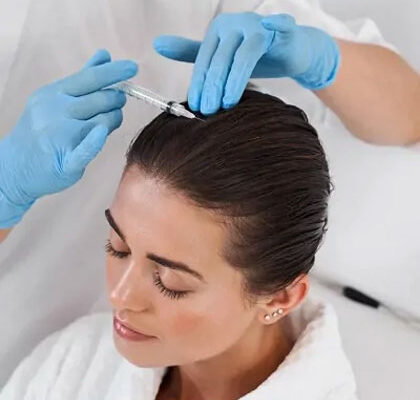
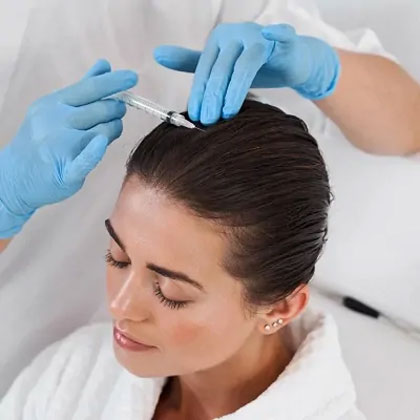
When prepared, the PRP solution is injected straight into specific areas of the scalp.
The practitioner then injects Platelet-Rich Plasma into areas of pain using fine needles into areas affected by:
- Hair loss
- Hair thinning
- Reduced hair density
- Weak hair follicles
- Early stage baldness
The growth factors injected trigger regeneration in the local follicles and tissues, which could lead to enhanced hair growth in the long run. Clients can return to normal activities immediately after treatment
Benefits of PRP Treatment
-
Stimulates Hair Growth
The main objective of PRP Hair treatment in Dubai is to revitalize the dormant follicles. All of the growth factors delivered when concentrated into the scalp can stimulate the follicles and help to produce stronger strands of hair.
Before clients can see new hair growing, they often start to see a decrease in shedding.
Hair growth will usually begin to improve slowly over a few months as follicles react to being stimulated.
-
Improves Hair Density
PRP will help increase existing follicles and can enhance the quality of growing hairs. This technique can help to give the illusion of fuller, thicker hair and make the scalp less noticeable. Many people see results in hair volume and coverage after regular sessions.
-
Strengthens Hair Follicles
The weak follicles become weaker and shorter over time. PRP is used to help support the health of follicles and their function by delivering growth factors. With healthier follicles, healthier hair shafts can result in better hair quality and strength.
-
Minimally Invasive
PRP Therapy Dubai does not involve incisions, stitches or long recovery periods, unlike surgical procedures
Who Is a Good Candidate for PRP?
-
Early Hair Thinning
PRP therapy can be most beneficial for people with early signs of hair loss. At this point, a lot of your hair follicles are still alive but are weaker. PRP stimulates these follicles prior to miniaturization or permanent loss. Early intervention often results in more predictable and satisfying improvements.
-
Male Pattern Baldness
Male pattern baldness or androgenetic alopecia is one of the most common concerns that clients have when they are seeking PRP hair loss treatment.
-
Female Hair Loss
Women with thin hair or reduced density in their hair may also benefit from Platelet Rich Plasma treatment. Males will experience thinning hair, which may be patchy or females will experience thinning hair all over the top, not just in bald patches.
PRP may be beneficial to the function of follicles and for the aesthetic appearance of fullness in appropriate patients.
-
Post-Transplant Patients
Numerous surgeons have started using PRP as part of their recovery following transplantation protocols.
PRP can also aid in the healing of the grafts following Hair Transplant, promote recovery of the scalp and create a favorable environment for the transplanted follicles.
Many people who have FUE Hair Transplant or DHI Hair Transplant have turned to PRP as an additional treatment to ensure that the results last for as long as possible.
PRP can also be used for maintenance of the native hair on the scalp around the grafts, and for the ongoing health of the scalp.
Conditions Treated with PRP
Androgenetic Alopecia
One of the most treated hair loss conditions that PRP therapy treats is androgenetic alopecia or male and female pattern hair loss.
The condition is inherited and over time the hair follicles become smaller leading to thinning hair hairs and less hair on the scalp.
PRP Hair Restoration supplies the growth factors that help regenerate frail follicles; it is direct injection. After a series of treatments, many clients will have less shedding and more hair density.
Hair Thinning
Hair thinning can be a progressive process that can occur in both men and women.
Clients may notice:
- Reduced hair volume
- Wider hair partings
- Increased scalp visibility
- Difficulty styling hair
Hair Shedding
When you shed too much hair every day, it can cause you to notice it and it may mean that there is a problem with the hair growth cycle.
A variety of factors can exacerbate hair loss, including stress, hormonal fluctuations, nutritional deficiencies, disease and genetic makeup.
PRP Therapy Dubai can help to balance follicular activity and promote more healthy growth cycles. There is a significant decrease in shedding that is commonly noticed in patients within the first few months after treatment.
Weak Hair Follicles
Weak follicles may produce:
- Thin hairs
- Fragile strands
- Slower growth
- Reduced density
PRP Treatment Procedure
Consultation
The journey of any PRP starts with a thorough consultation.
In the process of this assessment the practitioner looks at hair loss pattern, scalp condition, hair density, medical history and treatment goals. This assessment helps decide if PRP is the right treatment and enable you to develop a personalized treatment plan.
They can also be exploring other or alternative hair restoration methods like hair loss treatment programs, exosome hair treatment, FUE hair transplant or DHI hair transplant techniques.
Blood Draw
A small amount of blood is drawn from the client’s arm once treatment has started.
This blood is used to create PRP. The treatment is performed with the client’s own blood so that concerns regarding allergic reactions remain minimal.
PRP Preparation
Once the blood sample is collected, the blood sample is processed in a centrifuge system.
Blood components are separated during centrifugation and concentrated blood platelets with growth factors are separated.
The last PRP solution comprises rejuvenative proteins that help in tissue repair and follicular stimulation.
However, proper preparation is still a key component as the number of platelets directly impacts treatment quality.
Scalp Injection
The PRP is then carefully administered into the areas where there is a hair loss or thinning problem. The practitioner applies fine needles to spread the plasma around specific areas of the scalp. Growth factors start working with the local tissues and hair follicles as soon as they are injected.
The procedure is well tolerated by most people and they are able to resume normal activities shortly after.
How Many PRP Sessions Are Needed?
Mild Hair Loss
Those with early hair thinning may need less treatment.
Some basic steps for a typical protocol:
- Three to four initial treatments
- The sessions are about 4 weeks apart.
These therapies assist in stimulating inactive follicles prior to the beginning of substantial hair loss.
Aggressive results can be seen with early intervention, as more follicles are still available to be stimulated.
Moderate Hair Loss
People with moderate hair loss showing some loss of density usually need a more disciplined treatment plan.
Many providers recommend:
- A series of 4 to 6 sessions, initially.
- Follow-up evaluations
- Customized maintenance planning
For moderate hair loss, it may take longer for the treatment to show results as follicles may need extra stimulation.
Consistency is still crucial to the success of treatment.
Maintenance Sessions
PRP results are not necessarily permanent.
In many cases, hair loss will go on as usual—especially those who suffer from androgenetic alopecia.
Maintenance sessions are also recommended every few months to keep results.
These subsequent treatments aid the following:
- Support follicular activity
- Preserve density improvements
- Reduce future shedding
- Maintain scalp health
PRP Recovery Timeline
First 24 Hours
Clients can experience the following effects during the first day after their treatment:
- Mild scalp tenderness
- Slight redness
- Minor swelling
- Sensitivities at injection sites
First Week
Visible effects of the injections are typically not seen after the first week.
Clients generally notice:
- Reduced scalp sensitivity
- Normal daily comfort
- No significant restrictions
First Month
First Month is mostly concerned with internal follicular activity.
Most of the clients start to notice:
- Reduced hair shedding
- Improved scalp condition
- Stronger hair texture
Three Months
Visible improvement may start to occur at the three month mark.
Clients may observe:
- Early new growth
- Improved hair thickness
- Fuller appearance
- Better scalp coverage
Six Months
Often, changes are more apparent at six months.
Clients often experience:
- Increased hair density
- Stronger hair shafts
- Reduced scalp visibility
- Improved hair health
When Will I See Results?
| Timeline | Expected Results |
| Month 1 | Reduced hair shedding and improved scalp health |
| Month 3 | Slight signs of new growth and better follicle activity. Early signs of new growth and follicle activity |
| Month 6 | Improved hair density and thickness |
| Month 12 | Optimal results – full and healthier looking hair |
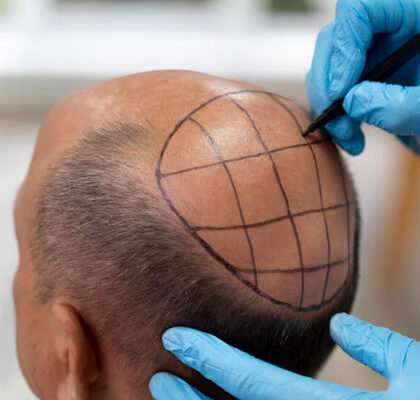
PRP vs Hair Transplant
| Feature | PRP Treatment | Hair Transplant |
| Treatment Type | Non-surgical regenerative therapy | Surgical hair restoration procedure |
| How It Works | Uses Platelet-Rich Plasma and growth factors to stimulate existing hair follicles | Transfers healthy hair follicles from a donor area to bald or thinning areas |
| Best For | Early hair thinning and mild to moderate hair loss | Advanced hair loss and bald areas |
| Hair Follicles Required | Requires existing active follicles | Creates coverage in areas where follicles no longer grow hair |
| Downtime | Minimal | Several days to a few weeks |
| Procedure Duration | Usually 30 – 60 minutes | Usually 6 – 10 hours depending on graft count |
| Scarring | No surgical scars | Minimal scarring with FUE and DHI techniques |
| Results Timeline | Gradual improvement over several months | New hair growth typically begins after 3 – 4 months |
| Maintenance | Periodic sessions may be needed | Transplanted follicles are generally permanent |
| Goal | Improve hair density, reduce shedding and strengthen follicles | Restore hair in areas with significant hair loss |
PRP vs Exosome Therapy
| Feature | PRP Treatment | Exosome Therapy |
| Source | Patient’s own blood | Laboratory-derived exosomes |
| Growth Factors | Natural platelet derived growth factors | Cell signaling molecules and regenerative proteins |
| Risk of Allergy | Extremely low | Low when properly sourced |
| Procedure | Blood collection required | No blood draw required |
| Hair Restoration Goal | Stimulate existing follicles | Enhance cellular communication and regeneration |
| Downtime | Minimal | Minimal |
Risks and Side Effects
- Swelling
- Tenderness
- Mild discomfort
- Mild redness
PRP Before and After Results
PRP hair restoration is not a quick fix – it is a process.
This process works by stimulating natural biological processes that take time to affect the hair growth cycle and activities.
What are the improvements to look forward to?
Many patients experience:
- Reduced hair shedding
- Stronger hair strands
- Improved scalp health
- Increased hair density
- Fuller appearance
- Better hair quality
The results are usually more prominent as the treatment goes on and follicles respond to the stimulation of growth factors.
PRP Treatment Cost in Dubai
The cost of PRP Treatment in Dubai typically ranges from AED 700 to AED 2,500 per session depending on the clinic, the practitioner’s expertise, the number of sessions required and the technology used to prepare the platelet-rich plasma.
Reasons why treatment may cost more are:
- The degree of hair loss
- The number of sessions required for treatment
- Customized treatment plans
- Combination therapies
- The location and the level of expertise of the clinic
Why Choose Vow Clinic Dubai for PRP Treatment?
Vow Clinic Dubai offers the advanced PRP Treatment, which is intended to assist the natural hair restoration, enhance the health of the scalp and strengthen the weak points of the hair follicles. Each treatment starts by having a thorough evaluation of your hair loss, scalp condition and hair restoration aims. Our team uses high quality PRP enriched with growth factors to formulate an individualized plan to promote hair regrowth, increase hair density and diminish continued hair loss. A personalized solution prioritizes natural results with long lasting benefits while promoting healthier and stronger hair.
FAQs
What is PRP treatment?
PRP treatment is a regenerative therapy that uses platelet-rich plasma derived from a patient’s own blood to deliver growth factors into the scalp and stimulate hair follicles.
Does PRP regrow hair?
PRP may help stimulate weakened hair follicles, reduce shedding, and improve hair growth in suitable candidates. Results vary depending on follicle health and hair loss severity.
How many sessions are required?
Most patients require an initial series of three to six sessions followed by maintenance treatments based on individual needs.
Is PRP painful?
Most patients tolerate the procedure well. Some may experience mild discomfort during injections, but treatment remains minimally invasive.
How long do PRP results last?
Results vary among individuals. Regular maintenance sessions often help preserve improvements and support ongoing hair restoration.
Is PRP better than exosomes?
Neither treatment is universally superior. PRP uses natural growth factors from the patient’s blood, while exosomes provide regenerative signaling molecules. The most suitable option depends on individual needs.
Is PRP better than hair transplant?
PRP and hair transplant procedures serve different purposes. PRP strengthens existing follicles, while transplantation relocates healthy follicles to bald areas. The best choice depends on the stage of hair loss.
What is the cost of PRP treatment in Dubai?
The cost depends on factors such as the clinic, number of sessions, treatment plan and practitioner expertise. A consultation provides the most accurate estimate.